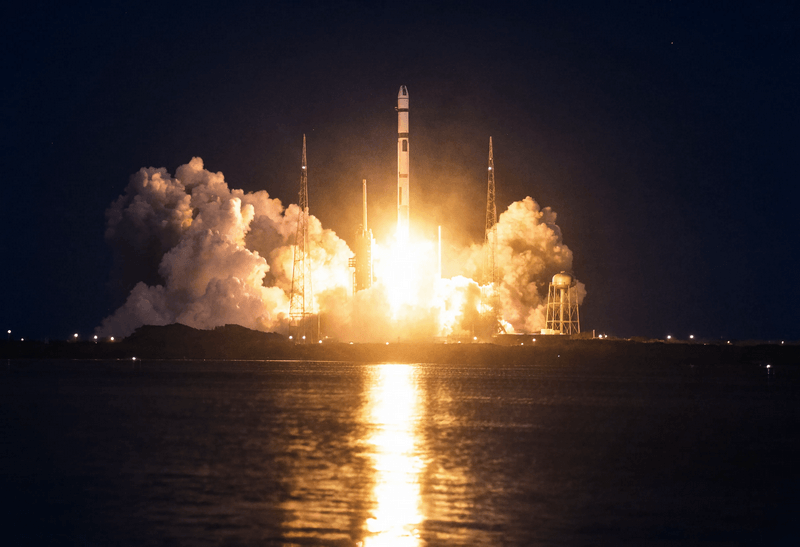
The largest public offering in human history. SpaceX lists on Nasdaq under ticker SPCX at $135 per share. Company valuation: $1.75 trillion.
An IPO (Initial Public Offering) is a company's first sale of shares to the general public. On June 12, 2026, SpaceX opens its equity to investors for the first time in its 24-year history.
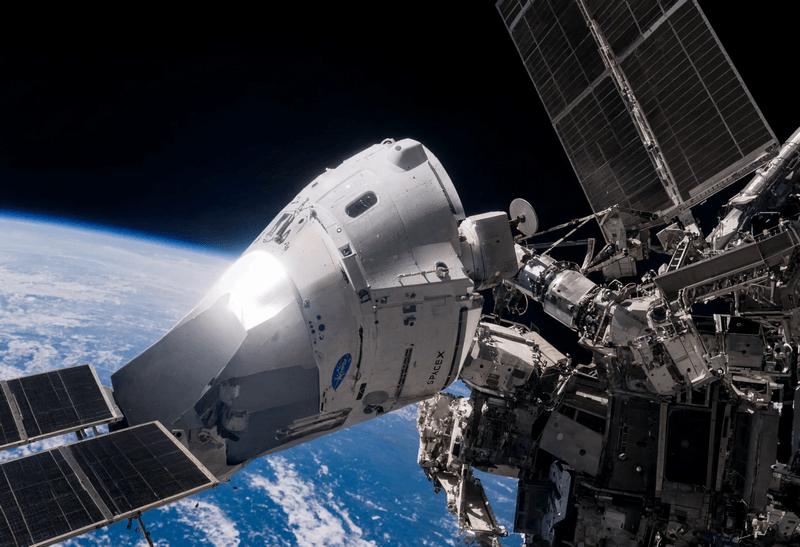
Founded in 2002 by Elon Musk with the goal of making humanity multiplanetary, SpaceX became the first private company to successfully reach orbit and deliver astronauts to the International Space Station.
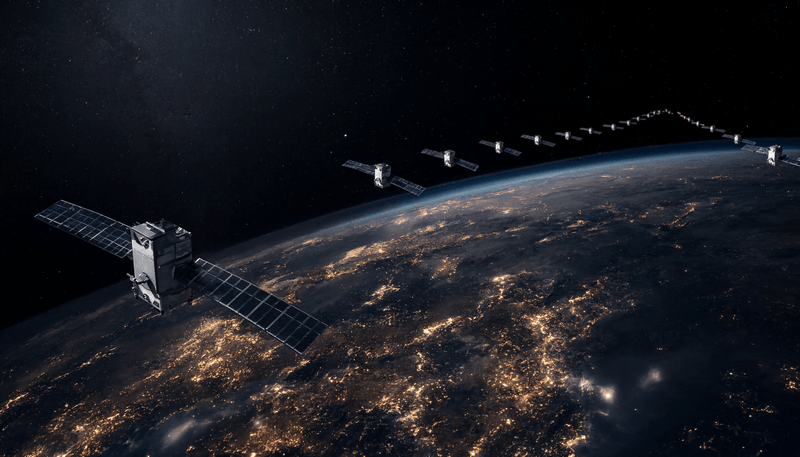
Today SpaceX commands more than 60% of the global commercial launch market. Its Starlink constellation — over 7,000 active satellites — provides internet access to more than 5 million subscribers across 60+ countries.
This IPO isn't just a stock listing. It's a chance to own a piece of the company that is actively shaping humanity's future beyond Earth.
SpaceX shatters every record ever set for a public market debut
| Company | Year | Exchange | IPO Size | Valuation |
|---|---|---|---|---|
| 🚀 SpaceX | 2026 | Nasdaq | $75B 🏆 World Record | $1.75T |
| Saudi Aramco | 2019 | Tadawul | $29.4B | $1.7T |
| Alibaba | 2014 | NYSE | $25B | $231B |
| SoftBank | 2018 | TSE | $23.5B | $40B |
| Meta (Facebook) | 2012 | Nasdaq | $16B | $104B |
From $12B in 2015 to $1.75T in 2026 — a 146× increase in just 11 years
SpaceX shares are available to international investors through the TradFi section on OKX and Bybit — no US brokerage account required
TradFi (Traditional Finance) is a section on OKX and Bybit that lets you buy real shares of publicly listed companies directly from your crypto account. No US brokerage, no complex paperwork. You own actual SpaceX shares (ticker SPCX), held in your account just like any traditional stock investment.
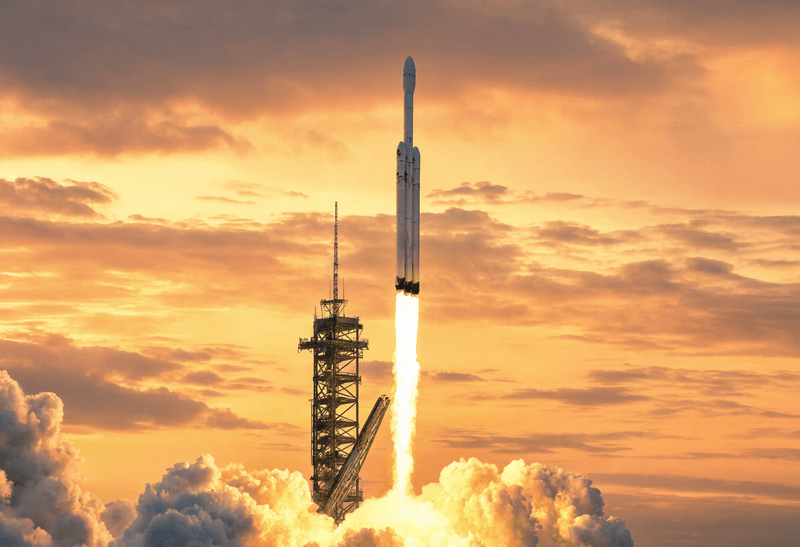
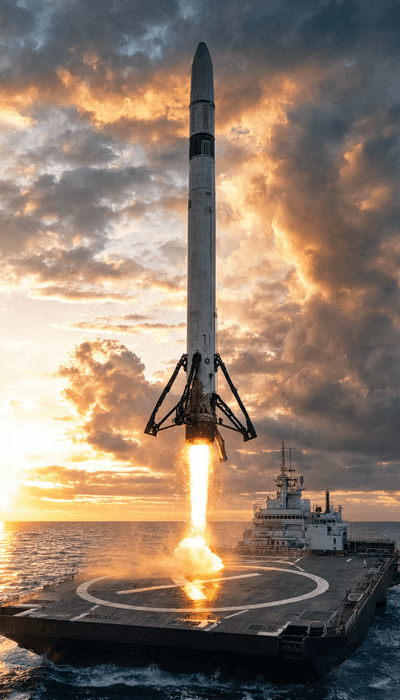
SpaceX was the first private company to reach orbit (2008), dock with the ISS (2012), and land a rocket booster intact (2015). Reusable rockets cut launch costs by a factor of ten.
7,000+ satellites, 5M+ subscribers in 60+ countries. Starlink is a standalone business valued at $100–150B, and has proven critical for defense and connectivity in active conflict zones.
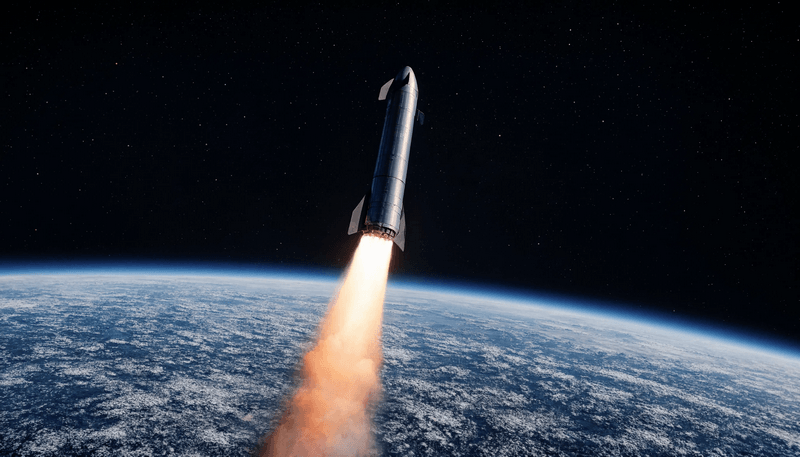
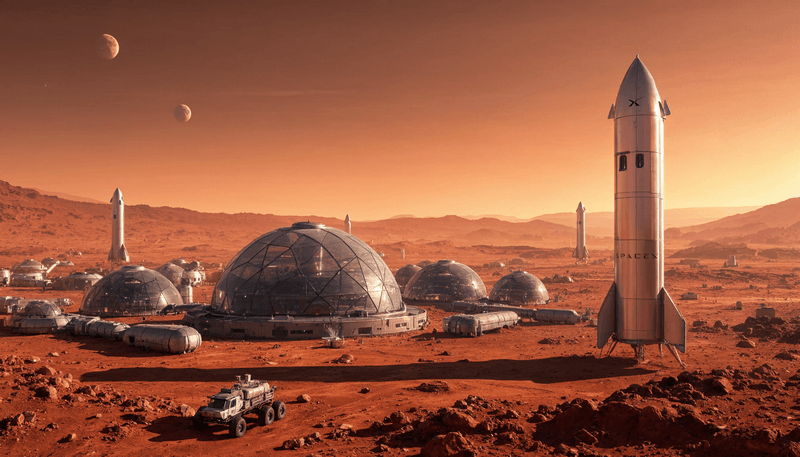
Starship is the most powerful rocket ever built, generating 7,590 tonnes of thrust. NASA selected SpaceX to land astronauts on the Moon. The long-term goal: a self-sustaining city on Mars by 2035.
SpaceX holds 60%+ of the global commercial launch market. 2025 revenue was approximately $11B. The combined backlog of NASA, DoD, and commercial contracts exceeds $50B.
Leading financial analysts share their forecasts and valuations of the biggest IPO in history
"My fair value estimate for SpaceX is around $1.3 trillion. The current $1.75T valuation prices in a very ambitious dream. IPO buyers are essentially paying for a future that has yet to be built — which can work out, but only if Starlink turns profitable before 2028."
"SpaceX is a generational IPO. Investors who missed Amazon in '97 or Tesla in 2010 have another shot. Starlink and commercial launches already generate $11B in revenue. In five years, that number could be $50B at 30% margins. This is a growth story, not a profitability story."
"Historically, high-profile mega-IPOs pop on day one and then give back those gains. SpaceX may follow the same pattern. Investors should be thinking in a 5–7 year time horizon, not a quick flip. The long-term potential is undeniable — SpaceX is rewriting the economics of space."
"SpaceX isn't a rocket company — it's a platform for the future: internet, transportation, energy, and the colonization of other planets. Over a ten-year horizon, SpaceX has the potential to become the most valuable company on Earth, surpassing Apple and Microsoft."
An honest look at the challenges investors should weigh before buying in